Guide11 min read
How to Control Song Structure in AI Music
Stop AI music from defaulting to the same generic arrangement. Use section tags, lyric labels, and prompt phrasing to force real intros, choruses, bridges, and dynamics.
Category
32 articles in this category, sorted by most recent.
Stop AI music from defaulting to the same generic arrangement. Use section tags, lyric labels, and prompt phrasing to force real intros, choruses, bridges, and dynamics.

A batch workflow for building a cohesive AI album in two days. Concept, tracklist, batched generation, comping, mixing, and mastering the whole thing as one set.
Get your AI tracks onto editorial and independent playlists. Spotify for Artists pitching, timing windows, independent curators, and what actually moves the algorithm.

Keep one voice across 10 tracks. Personas, seed reuse, prompt discipline, and the post-production glue that stops your AI album from sounding like ten different singers.
Voice cloning at scale, emotion-based playlists, deep search copyright detection, spatial audio. What's actually shipping versus hype.

Loop generation, layered intensity, and integration into Unity and Unreal. The indie game dev's AI music playbook for 2026.
Make a podcast intro, outro, and bed in under an hour with AI. Tools compared, length conventions, and ducking under the voice track.
How to clone your own voice, train a model on your tracks, and use the clone inside Suno V5.5 or Kits AI. Setup, sample requirements, ethics.
Eight-week release plan, metadata, AI disclosure, distributor pick, and the EP-vs-single decision. What gets your AI track taken down.

Beat structure, 808 prompts, drum patterns, and selling on BeatStars. The full pipeline from prompt to placement.

Hit-point prompting, mood mapping, and DAW assembly for AI film scores. The four-pillar approach for indie filmmakers in 2026.

Remix workflows that stay legal. Stem splitting, key shifts, genre flips, and the licensing path for mechanical and sync rights.

Disclosure rules, Content ID, RPM benchmarks, and channel structure. What gets demonetized and what earns five figures a month.
Genre-specific prompt templates for Suno and Udio across lo-fi, synthwave, trap, country, cinematic, and 25 more. Tested in 2026.

Export Suno Studio stems and MIDI into Ableton Live, Logic Pro, or FL Studio with the correct tempo, routing, warp settings, phase checks, and file setup.
Ten techniques to humanize AI-generated music. Variations, layering, DAW tricks, and prompt patterns that pull the AI sheen off your track.
Step-by-step guide to Suno V5's interface, custom mode, structure tags, and stem export. Includes prompt patterns that actually work in 2026.
A practical guide to lining up AI-generated vocals with written lyrics, covering timing, phrasing, and post-fix techniques in 2026.

Picking a frame generator for AI music video work in 2026: Midjourney vs Flux on style range, consistency, prompt control, and cost.
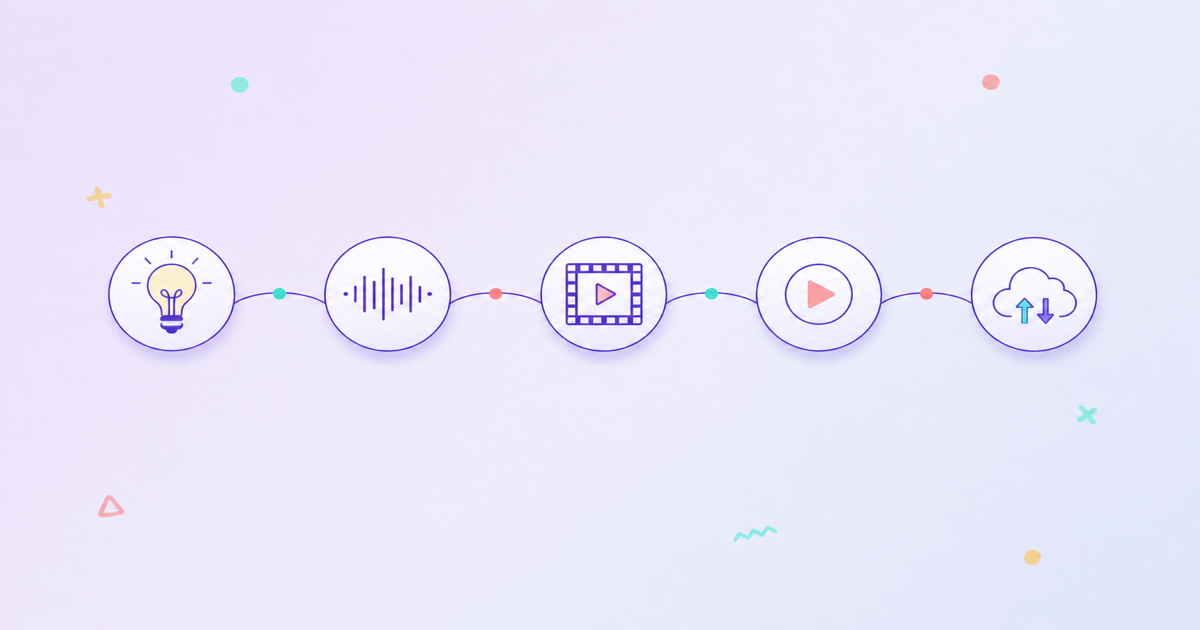
A full pipeline for indie musicians using AI in 2026: songwriting, production, video, distribution, and the tools that connect them.

A no-fluff comparison of the major AI video tools in 2026: cost, output quality, length limits, and what each is actually good at.

Everything to make an AI music video in 2026: tools, workflow, costs, distribution, and the parts that still need a human touch.
ElevenLabs and Resemble compared for creators: voice quality, training time, language support, ethics features, and pricing in 2026.

How to build a faceless YouTube channel powered by AI music and AI video in 2026, including niche selection, content engine, and monetization paths.

Step by step: pick a niche, generate music, generate visuals, publish, monetize. The 2026 faceless YouTube music playbook.
Distributing AI generated music in 2026: aggregator choices, metadata, royalties, what platforms accept, what gets taken down.

What separates an AI music video prompt that works from one that produces slop in 2026: structure, references, negative prompts, iteration.

The full AI stack an independent musician needs in 2026, from writing to mastering to video to release, with what each tool costs.
Two very different tools for non-editors. Where Canva fits, where Melodex wins for music video work, and how to choose in 2026.

A creator's comparison of Runway, Pika, and Luma in 2026: motion quality, length limits, prompt sensitivity, and cost across real projects.
Suno and Udio compared head to head: audio quality, vocals, genres, lyrics handling, pricing, and which to pick for serious work.

The actual steps to make an AI music video in 2026, from picking your audio starting point to publishing the final render. No editor, no render farm.